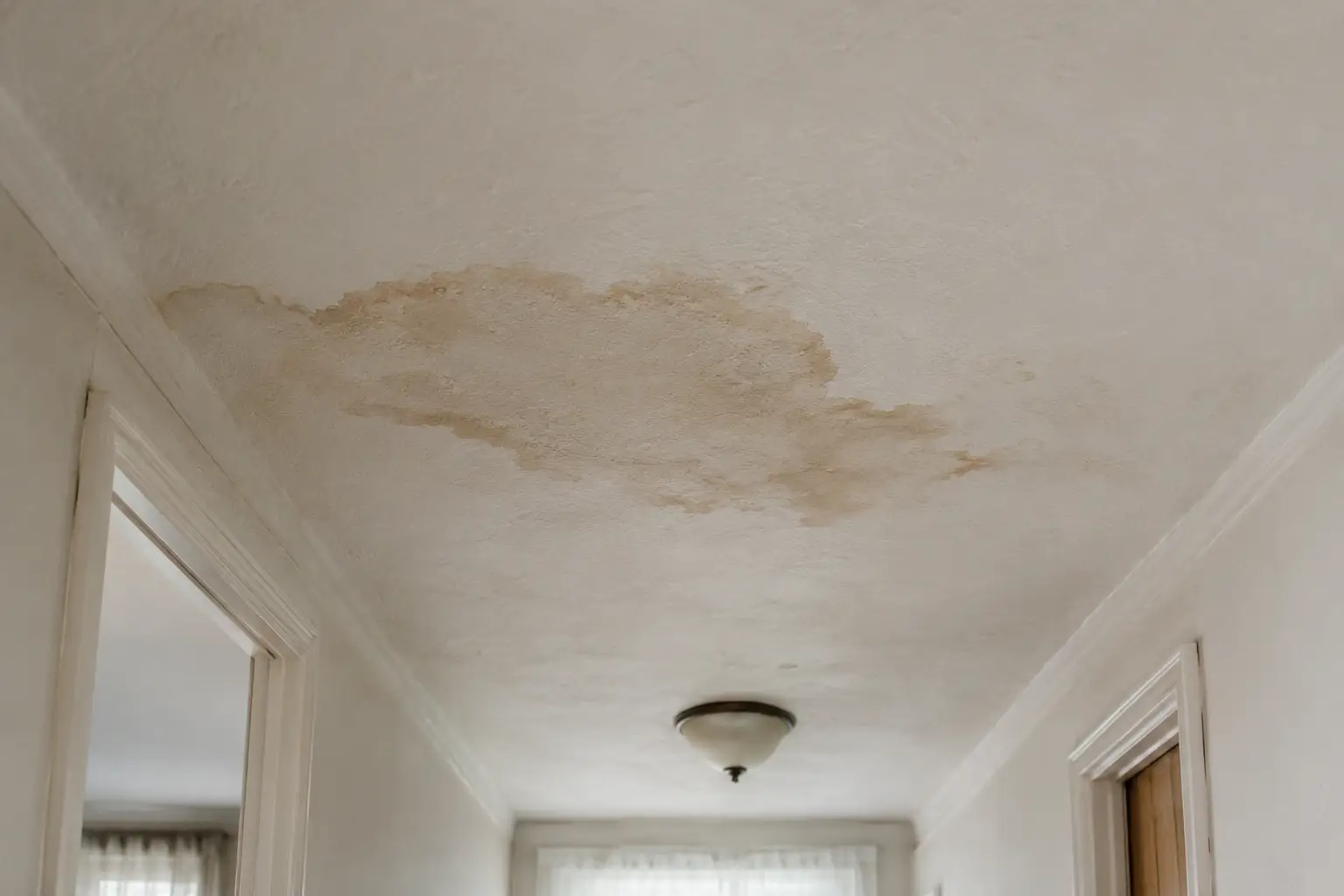
Most leaks do not announce themselves with a puddle. They drip inside a wall, under a slab or behind a cabinet for weeks, and the first clue is a small stain or a smell you cannot place. This guide lists the signs of a hidden water leak, two simple tests you can run at home today, and the places leaks like to hide.
The short answer
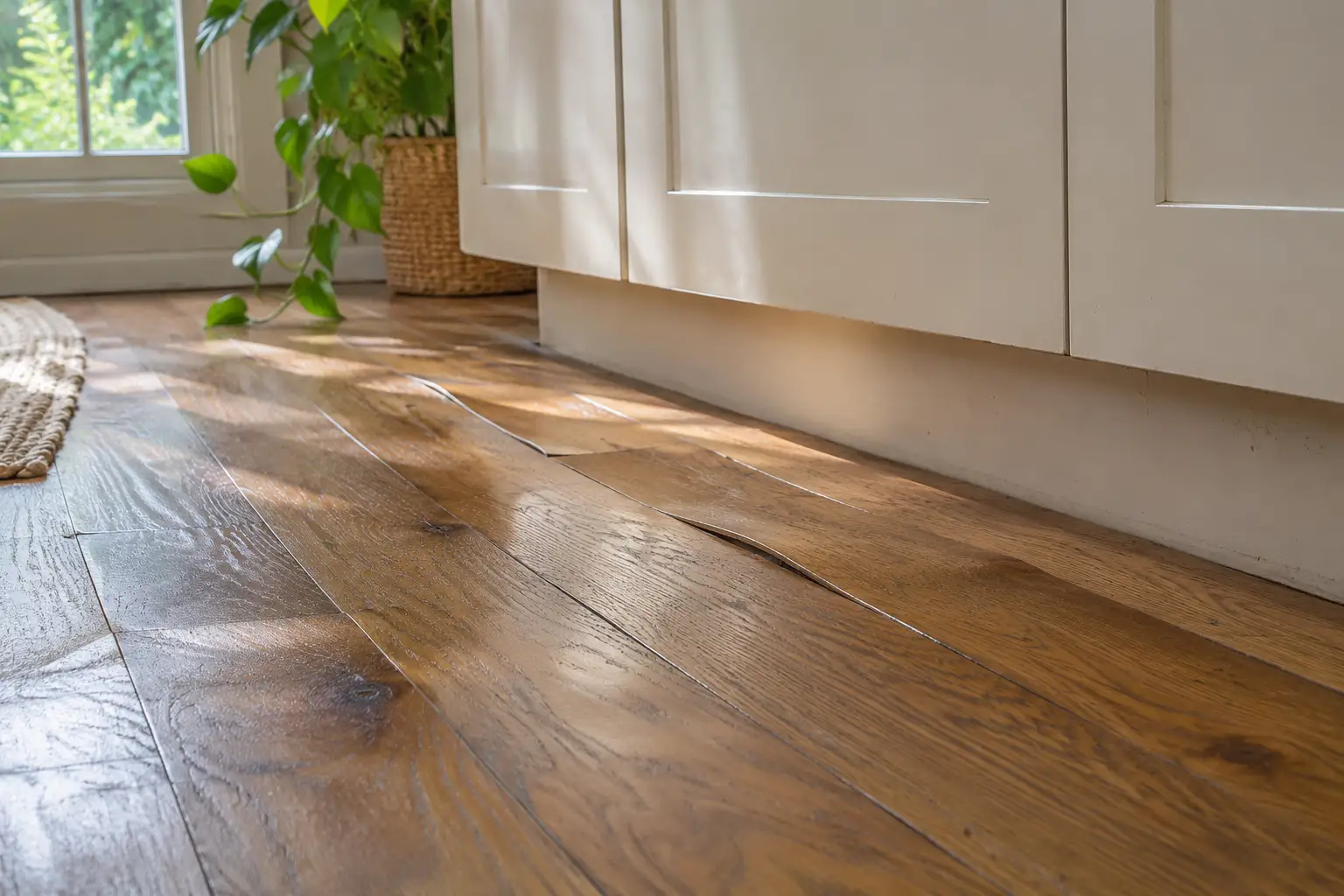
Watch for stains, peeling paint, musty smells, warped floors, warm spots underfoot and the sound of water when nothing is running. To confirm, turn off every fixture and watch the water meter. If it moves, water is going somewhere you cannot see, and it is time to call us.
The signs of a hidden water leak to watch for
Any one of these on its own can have another explanation. Two or three together almost always mean water is getting loose somewhere.
Two quieter signs are easy to miss. A water heater that seems to run more often than usual may be refilling for a leak on the hot side. And a jump in water use from one month to the next, with no new habits in the house, deserves a closer look.
Run the water meter test
This is the most reliable check you can do yourself, and it takes about fifteen minutes plus some waiting. The meter is usually in the basement near the main valve or in a pit near the street.
Turn everything off
Close every faucet and make sure no toilet is refilling. Hold off on running the dishwasher, washer, ice maker and any sprinklers.
Find the leak indicator
Most meters have a small triangle or dial that spins when even a little water flows. Note where it sits, or snap a photo of the numbers.
Wait without using water
Give it thirty minutes to an hour. Longer is better for slow leaks.
Check again
If the indicator moved or the numbers changed, water is leaving the pipes somewhere.
Narrow it down
Close the main shut off valve and repeat. If the meter still moves, the leak may be on the line between the meter and the house. If it stops, the leak is inside.
A meter that moves only a little can still mean a real leak. A slow drip inside a wall runs every hour of every day and keeps the framing damp. Write down what you saw so you can tell us when you call.
The toilet dye test
A toilet with a worn flapper can leak silently into the bowl all day. It is one of the most common hidden leaks in a house, and one of the easiest to find.
- Lift the tank lid. Set it down somewhere flat and soft so it does not crack.
- Add a few drops of food coloring. Dark blue or green shows up best.
- Wait fifteen minutes. Do not flush.
- Look in the bowl. If color appears, water is slipping past the flapper.
A worn flapper is a simple part, but if the toilet also rocks, runs constantly or leaks at the base, toilet repair is the better path. Flush after the test so the dye does not stain the bowl.
Where hidden leaks usually start
- Under sinks. Loose compression nuts, worn supply hoses and drain slip joints.
- Behind the dishwasher and fridge. The supply line to the ice maker and the dishwasher hose.
- Shower and tub walls. Failed grout or caulk, or a leaking valve body behind the trim.
- Water heater. Fittings on top, the relief valve line or the tank itself.
- Under a slab. Hot water lines in the concrete, often found by a warm patch of floor.
- The yard. A soggy strip of lawn between the meter and the house can mean a water line leak.
What causes leaks you cannot see
| Cause | Where it shows up | Typical clue |
|---|---|---|
| Worn fittings and washers | Under sinks, behind toilets and appliances | Damp cabinet floor or swollen particleboard |
| Pinhole corrosion in copper | Inside walls and ceilings | A small stain that grows slowly |
| Old galvanized pipe | Anywhere the original supply lines run | Rusty spots on drywall, low pressure |
| Freeze damage | Outside walls, garages, crawl spaces | A stain that appears after a cold snap |
| Shifting soil or slab movement | Under concrete floors | Warm floor spots, cracks, sound of running water |
In Cheyenne, freeze damage is a big one. A pipe can split during a winter cold snap and leak slowly inside a wall for weeks before the stain shows.
Mistakes to avoid
- Painting over a stain. The wet drywall behind it keeps soaking, and the stain comes back.
- Assuming a dry stain is an old stain. Some leaks only run when a certain fixture is used.
- Cutting into walls at random. You may open the wrong spot. Leaks travel along pipes and framing.
- Waiting for the next month to compare usage. Run the meter test now instead.
- Ignoring a small drip under a sink. Particleboard cabinet floors swell and crumble, and the drip usually gets worse, not better.
What the technician does to find it
Finding a hidden leak is mostly careful elimination. The technician isolates parts of the system, checks moisture levels in walls and floors, and listens for the sound of water under pressure. Thermal and acoustic tools help pinpoint a spot before anything gets opened up.
Once the source is found, you hear what failed and what the repair involves before any work starts. Read about leak detection for more on the visit. If the leak turns out to be a broken pipe, the guide on what to do when a pipe bursts covers drying out the area. The EPA WaterSense program also has general tips for finding household leaks.
A good habit for any Cheyenne house is to run the meter test twice a year, once when the furnace first comes on in the fall and again in spring after the last hard freeze. Small leaks caught that way rarely turn into ceiling repairs.
Questions people in Cheyenne ask
How can I tell if I have a leak inside a wall?
Look for stains, bubbling paint, soft drywall, a musty smell or a baseboard that stays damp. Listen for dripping or hissing when nothing is running. The water meter test confirms whether water is escaping before anyone opens a wall.
How do I check my water meter for a leak?
Turn off every fixture, note the leak indicator or the numbers on the meter, and wait thirty minutes to an hour without using water. If the indicator moved or the numbers changed, water is leaving the pipes somewhere.
Can a toilet leak without me noticing?
Yes. A worn flapper lets water slip from the tank into the bowl quietly all day. Put a few drops of food coloring in the tank and wait fifteen minutes without flushing. Color in the bowl means it is leaking.
What does a slab leak feel like?
Often a warm patch on a tile or concrete floor, since many slab leaks are on hot water lines. Other clues include the sound of running water under the floor, cracks in flooring and a water heater that seems to run constantly.
Is a musty smell always a leak?
Not always, but a damp smell that stays in one spot is worth checking. Look under nearby sinks, behind appliances and along baseboards, and run the meter test. Mold growing behind a surface often smells before it is seen.
Should I turn off the water if I suspect a hidden leak?
If you see active water damage, yes, close the main valve. For a slow, uncertain leak, run the meter test first. If the meter moves and you cannot find the source, close the main when you leave the house and call us.